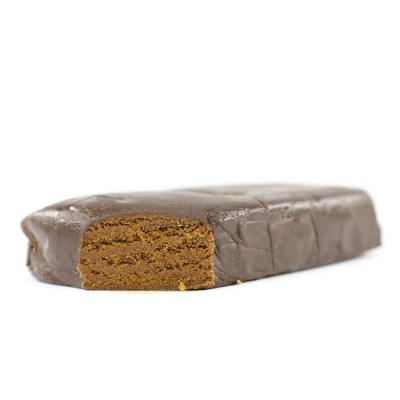
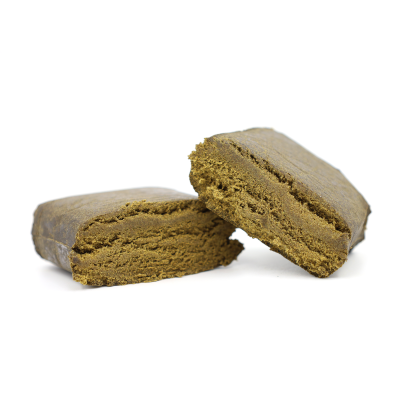
What 100g of resin gets you
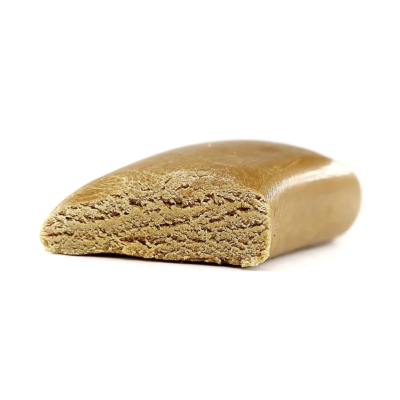
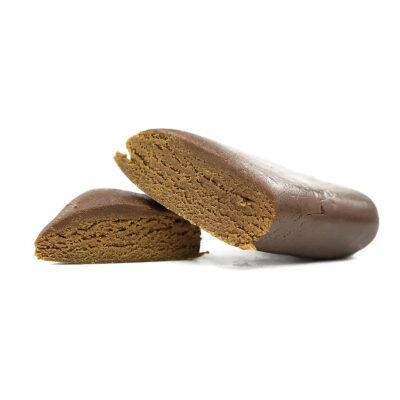
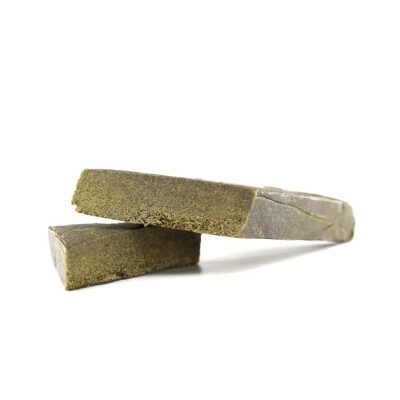
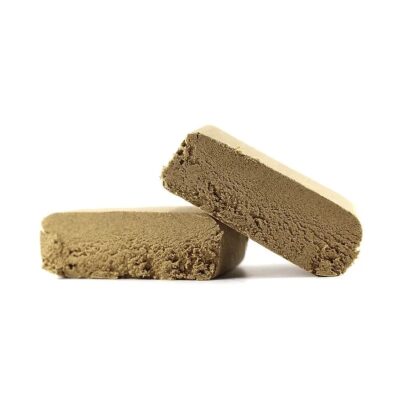
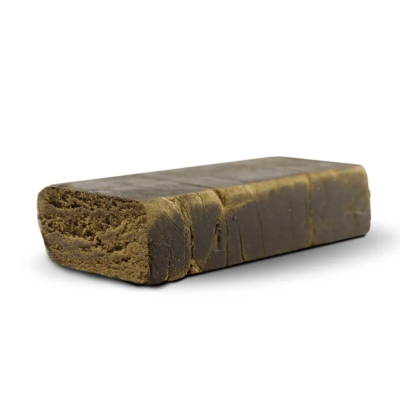
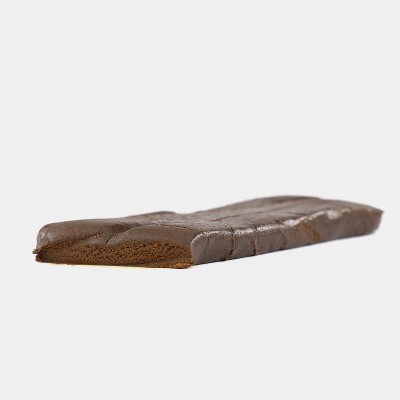
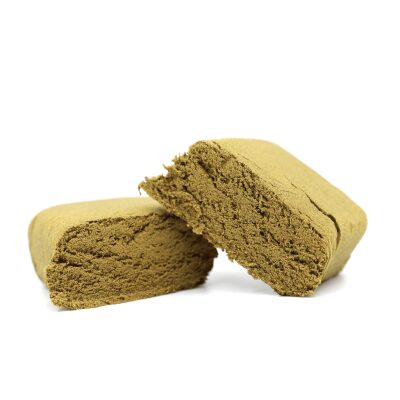
One hundred grams of live resin infused hash at 50%, which at 0.1g per session is roughly 1000 sessions. Resin is the format where buying volume makes the most sense, because a sealed block loses terpenes far more slowly than loose flower: the surface area exposed to air is a fraction of what it is in a bag of buds. Supplied as sealed blocks with the batch documentation.
Is this the right weight?
Resin changes the volume calculation compared with flower.
100g of hash vs 100g of flower
Same weight, roughly double the sessions, and a shelf life measured in years rather than months. The 100g flower pack is the one to pick if you prefer rolling to crumbling.
100g vs 500g
The 500g unit lowers the per-gram price and, unlike flower, does not punish you for holding it that long.
Infused resin vs uninfused
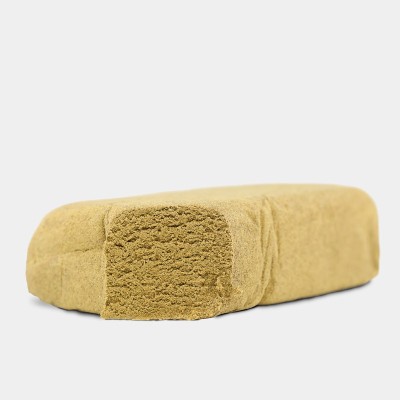
Piatella hash is fresh-frozen and cold-cured with no infusion, bought for aroma rather than strength. Choose it if potency is not what you are optimising for.
Handling 100g of hash
Keep it in its original wrap inside an airtight tin, cool and dark. Resin firms up when cold, which is normal and reverses in your hand. Portion with a warmed blade rather than breaking blocks by hand. Adults only, never before driving.
Why buy this weight here
Traditional pressing, double-pressed infusion so the extract is integrated, and a certificate of analysis per batch covering cannabinoids, terpenes, pesticides, heavy metals and microbiology. Resellers get tiered pricing on bulk Magic Sauce hash.
FAQ
How long does 100g of hash last?
Around 1000 sessions at 0.1g. At 50% infusion that portion is a full session, not a small one.
Does resin keep better than flower?
Considerably. Sealed, cool and dark, hash holds a year or more, where flower starts losing its terpene profile after about six months.
Why is my block hard?
Cold. Thirty seconds in your hand makes it workable again. It is not a sign of age or quality.
Can I use it for infusions?
Yes, and it is an efficient input since no decarboxylation is needed. Melt into fat at 60 to 70 degrees.