
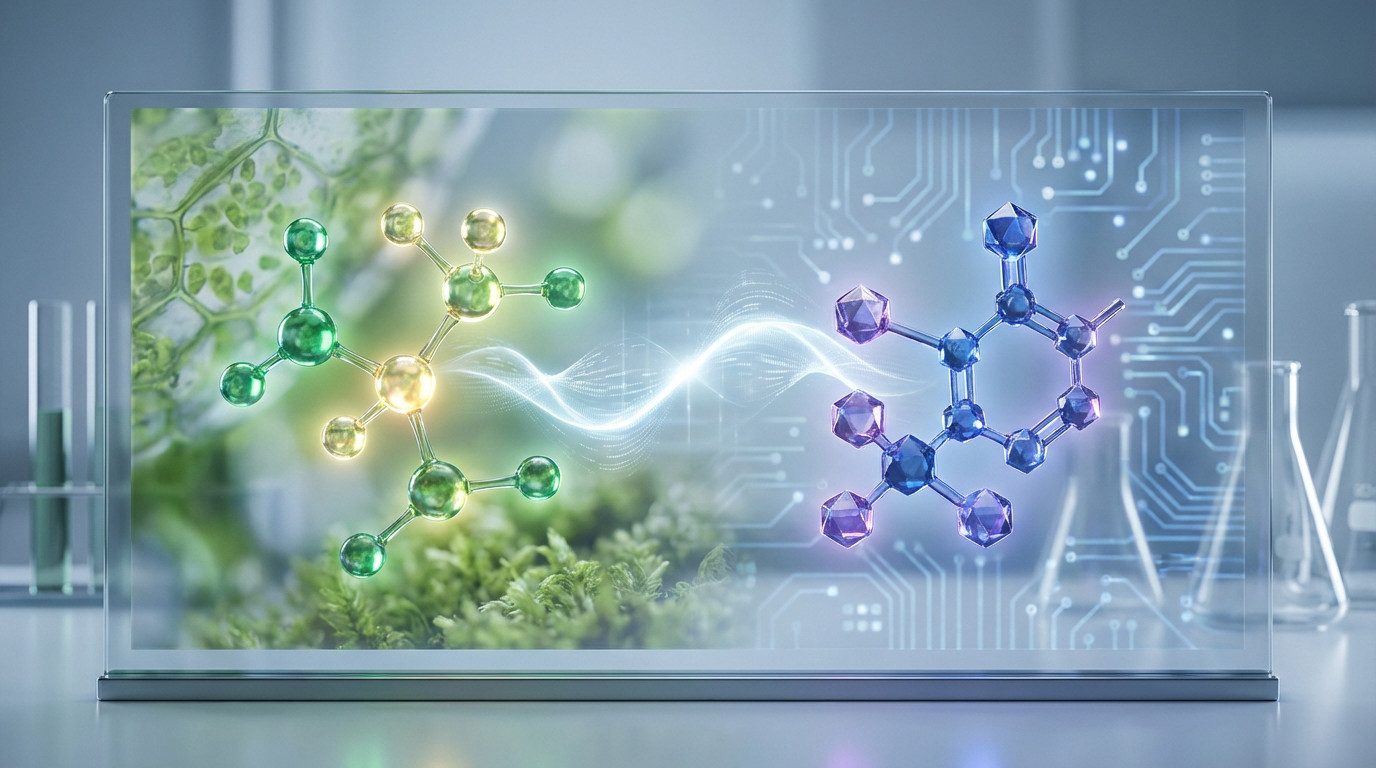
The essential takeaway: THCA acts as a natural, non-psychoactive precursor requiring heat to become potent THC, while HHC offers immediate, semi-synthetic stability. This chemical difference defines the experience, allowing a choice between raw therapeutic benefits or durable recreational use, with HHC providing roughly 80% of the strength found in traditional Delta-9 THC.
Are you confused by the flood of new hemp derivatives and unsure which one delivers the potency you actually want? We strip away the marketing hype in this thca vs hhc breakdown to show exactly how heat transforms a non-psychoactive acid into a heavy hitter compared to its stable cousin. You will gain the insight needed to pick the perfect product for your tolerance level while avoiding the screening risks that catch many users by surprise.
- THCA vs HHC: The Core Chemical Divide
- Potency and Stability: What to Expect in Practice
- Effects, Benefits, and the Drug Test Dilemma
THCA vs HHC: The Core Chemical Divide
THCA: The Natural, Non-Psychoactive Precursor
THCA sits in fresh cannabis as the raw, natural precursor. Surprisingly, it remains totally non-psychoactive. A stubborn carboxylic acid group blocks it from latching onto your brain’s CB1 receptors. It simply cannot get you high yet.
That changes instantly with decarboxylation. Applying heat—like smoking or vaping—snaps off that acid group, transforming inert THCA into psychoactive THC. You are essentially activating the molecule yourself.
Some users consume it raw for potential therapeutic perks, like anti-inflammatory or neuroprotective effects. You get the benefits without the buzz.
HHC: The Synthesized, Psychoactive Cousin
HHC operates as a completely different beast. It is psychoactive from the start, requiring absolutely zero heat to trigger its effects. That is simply its inherent nature.
Its origin is distinctly semi-synthetic. Chemists create it in a lab through a rigorous process called hydrogenation. They typically start with hemp-derived CBD, adding hydrogen atoms to alter the structure. This stabilizes the compound significantly.
While it is psychoactive, the high feels milder than traditional THC. Users often describe the strength as roughly 80% of the real deal. Think of it as a functional alternative.
Potency and Stability: What to Expect in Practice
The Power Level: Is THCA or HHC Stronger?
Let’s be blunt about raw consumption. In its natural state, THCA has absolutely zero psychoactive potency. If you don’t apply heat, HHC wins by default every single time.
User reports and lab data suggest HHC hits about 80% as hard as Delta-9 THC. It delivers a noticeable euphoria without the overwhelming anxiety some fear. You get a solid buzz, but it stays manageable.
But spark that lighter, and everything changes. Heated THCA becomes THC, which is stronger than HHC. Context is key.
Shelf Life and a Summary Table
Hydrogenation gives HHC a massive advantage. It is chemically very stable against the elements. It resists oxidation, heat, and UV light far better than standard cannabinoids.
THCA is much more fragile. Exposure to air and light slowly degrades it into THC, altering your product’s consistency over time. HHC, however, doesn’t budge.
To make this crystal clear, look at the breakdown below. This table highlights the fundamental differences to help you decide, whether you are hunting for fresh THCA flowers or stable distillates. It’s all about knowing what you buy.
| Feature | THCA (Tetrahydrocannabinolic Acid) | HHC (Hexahydrocannabinol) |
|---|---|---|
| Psychoactivity (Raw) | None | Yes, moderate |
| Origin | Naturally found in cannabis | Semi-synthesized from hemp CBD |
| Chemical Process | Decarboxylation (needs heat) | Hydrogenation (lab process) |
| Potency vs. THC | Stronger (when converted to THC) | Weaker (~80% of THC) |
| Chemical Stability | Low (degrades with time/light) | High (very stable) |
Effects, Benefits, and the Drug Test Dilemma
Beyond the technical specs, the real issue is how these molecules hit you and the risks involved.
Reported Effects: Wellness vs. Recreation
Raw THCA targets wellness without the psychoactive high. HHC, however, leans heavily into recreational relaxation.
Users report HHC delivers slight euphoria and deep well-being. You get a distinct mental and physical decompression.
Simply put, the reported benefits split down the middle. This distinction is vital intel for anyone browsing our new products or other cannabinoids. You aren’t just buying a molecule; you’re choosing an experience.
- THCA (raw form) potential benefits:
- Anti-inflammatory properties
- Neuroprotective potential
- Anti-emetic (fights nausea)
- HHC potential benefits:
- Mood elevation and euphoria
- Mental and physical relaxation
- Sleep aid and appetite stimulation
The Big Question: Will They Show Up on a Drug Test?
Let’s be direct: the safest answer is yes, very likely. Standard screenings don’t hunt for THC specifically, but its metabolites. HHC and heated THCA mimic this signature enough to trigger a positive result.
Even raw THCA carries a hidden risk. A fraction might convert inside your body or during the lab analysis itself. There is absolutely no safety guarantee.
My stance is blunt. If you face mandatory testing, do not take the risk. Steer clear of both THCA and HHC. Jeopardizing your paycheck isn’t worth the gamble.
Choosing between THCA and HHC depends on your specific goals. If you seek a natural option that becomes potent when heated, THCA is ideal. Conversely, for a stable, moderate high without preparation, HHC stands out. Both offer unique benefits, so select the cannabinoid that best fits your lifestyle.