
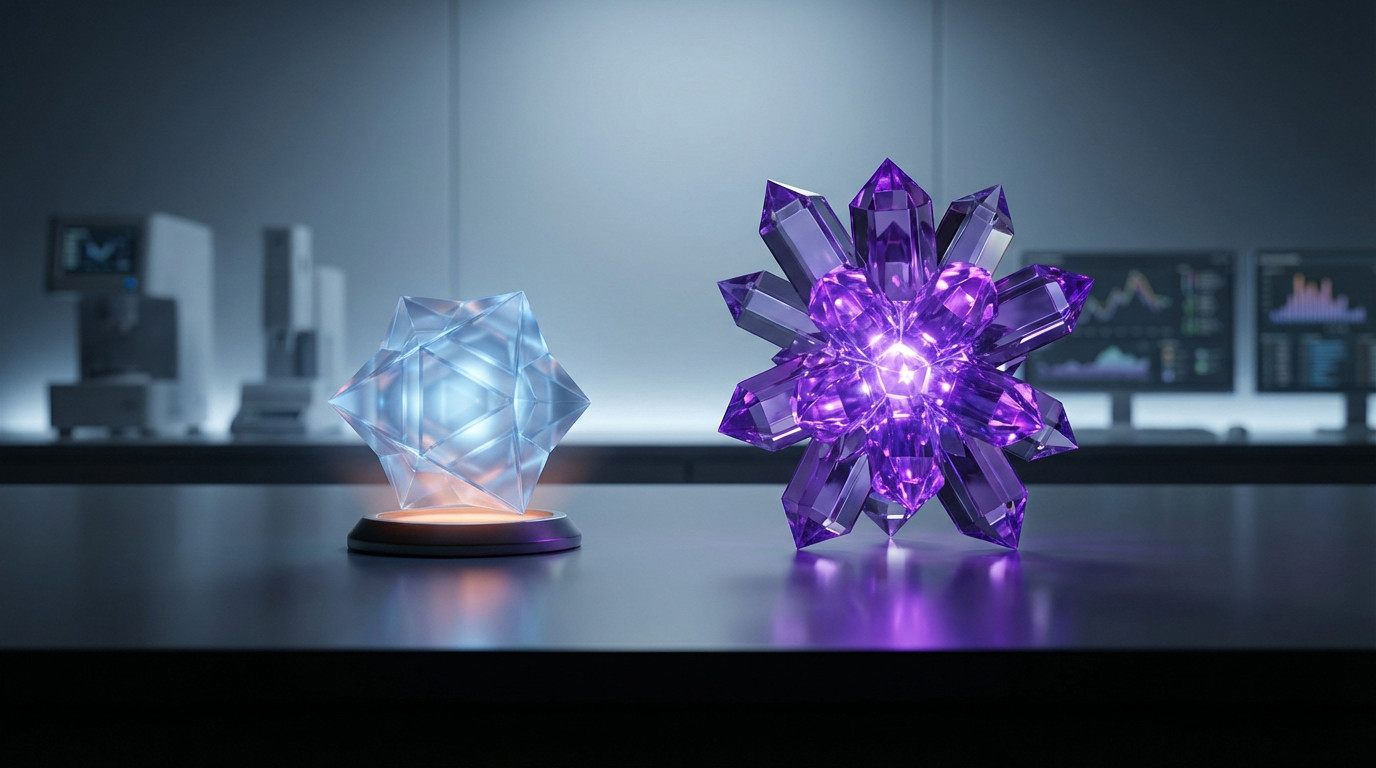
The essential to remember: THCA is a dormant precursor needing heat to become psychoactive, whereas THCP is inherently active and far stronger. This chemical difference creates a massive gap in effects, with THCP boasting a unique structure that binds to receptors with up to 33 times the potency of standard THC.
Are you stuck choosing between thcp vs thca and wondering which one actually delivers the intensity you crave? While one remains dormant until heated, the other binds to your receptors with a natural power that defies expectations. We reveal the specific chemical traits that make one of these compounds up to thirty times stronger than the other.
- THCP vs THCA: The Fundamental Split
- The Real-World Difference: Potency and Effects
- Getting Practical: Legality, Cost, and Consumption
THCP vs THCA: The Fundamental Split
So, you’re looking at THCP and THCA and wondering what the actual difference is. It all comes down to chemistry and heat activation.
THCA: The Dormant Potential
THCA (Tetrahydrocannabinolic Acid) is the raw, non-psychoactive precursor to THC found naturally in cannabis. In this state, it won’t get you high.
That “A” represents an acid carboxyl group preventing it from binding to CB1 receptors. This chemical barrier effectively blocks psychoactivity.
You only unlock effects through a process called decarboxylation. Without a flame or a vape, it remains inactive.
THCP: Active and Ready From the Start
THCP (Tetrahydrocannabiphorol) breaks the mold. Unlike THCA, this compound is inherently psychoactive right out of the gate, requiring no heat activation.
Its power lies in a unique structure featuring a longer seven-carbon atom side chain. This difference drives its massive affinity for cannabinoid receptors.
This new powerful cannabinoid hits harder than anything else. Consequently, THCP is a very different beast altogether.
| Feature | THCA (Tetrahydrocannabinolic Acid) | THCP (Tetrahydrocannabiphorol) |
|---|---|---|
| Psychoactivity (Raw) | Non-psychoactive | Highly psychoactive |
| Activation Method | Requires heat (decarboxylation) to become THC | Active without heat |
| Chemical Structure | 5-carbon side chain (as THC) + carboxyl group | 7-carbon side chain |
| Potency vs. THC | Inactive until converted to THC | Estimated to be up to 33x more potent |
The Real-World Difference: Potency and Effects
Okay, the chemistry is one thing, but what does this actually mean for you? The difference in potency and the resulting experience is massive.
A Question of Power: Why THCP Hits Harder
Let’s be blunt: THCP is significantly more potent than standard THC or activated THCA. It’s not a small step; it’s a leap.
Here is the science. THCP has a longer alkyl side chain, allowing it to bind to CB1 receptors with incredible strength. Research suggests it could be up to 33 times more powerful than regular Delta-9 THC. That is staggering.
Compare that to THCA. Once you heat THCA, it becomes standard Delta-9, which is our baseline for potency. THCP completely overshadows that baseline, offering a level of intensity that demands respect.
How Long Does It Last? The User Experience
That aggressive binding doesn’t just mean stronger effects; it means they stick around. While standard highs fade, THCP users often report experiences lasting 6, 8, or even 12+ hours.
Your body simply struggles to break down such a tightly bound compound quickly. Consequently, the ride continues long after a standard THC session would end.
You need to know what you are signing up for before you partake. Here is the breakdown of what users actually feel:
- THCA (when heated to THC): Standard euphoric high, relaxation, altered perception. Effects typically last 2-4 hours.
- THCP: Intense, profound euphoria, deep body relaxation, and a much longer-lasting experience. Often described as more “heavy”.
Getting Practical: Legality, Cost, and Consumption
Beyond the science and the high, there are practical things to consider. Let’s talk about the law, your wallet, and how you’d actually use these cannabinoids.
The Price of Potency and Legal Grey Areas
Technically, both compounds currently sit in a massive federal loophole. They usually get a pass under the 2018 Farm Bill, provided they are derived from hemp containing less than 0.3% Delta-9 THC.
Your bank account will notice the difference immediately. Since THCa grows abundantly in the plant, it is affordable. THCP, however, exists only in trace amounts and must be synthesized in a lab, making it significantly more expensive to manufacture.
You are paying a premium for that extreme potency and rarity. Just remember, state regulations shift fast, so check your local laws.
Choosing Your Form: How They’re Sold and Used
How you consume these compounds dictates the entire vibe. It really comes down to whether you want a traditional session or something much heavier.
If you prefer the ritual of rolling up, look at THCA products like raw flower. It is the go-to for smokers who want that classic conversion through heat.
On the flip side, because it hits so hard, you will typically see THCP vapes blended with other cannabinoids. Manufacturers add it sparingly to oils and edibles to keep the intensity manageable.
- THCA: Primarily found in raw cannabis flower, diamonds, and concentrates meant for dabbing or vaping.
- THCP: Most often found in vape cartridges, gummies, tinctures, and specialized blends like Magic Sauce where its potency is controlled.
Ultimately, choosing between THCA and THCP comes down to your desired intensity. THCA offers a traditional route to THC via heat, while THCP delivers significantly higher potency and longer-lasting effects right from the start. Whether you prefer raw potential or extreme power, understanding these chemical differences ensures you select the perfect cannabinoid.